ABOUT
Sources
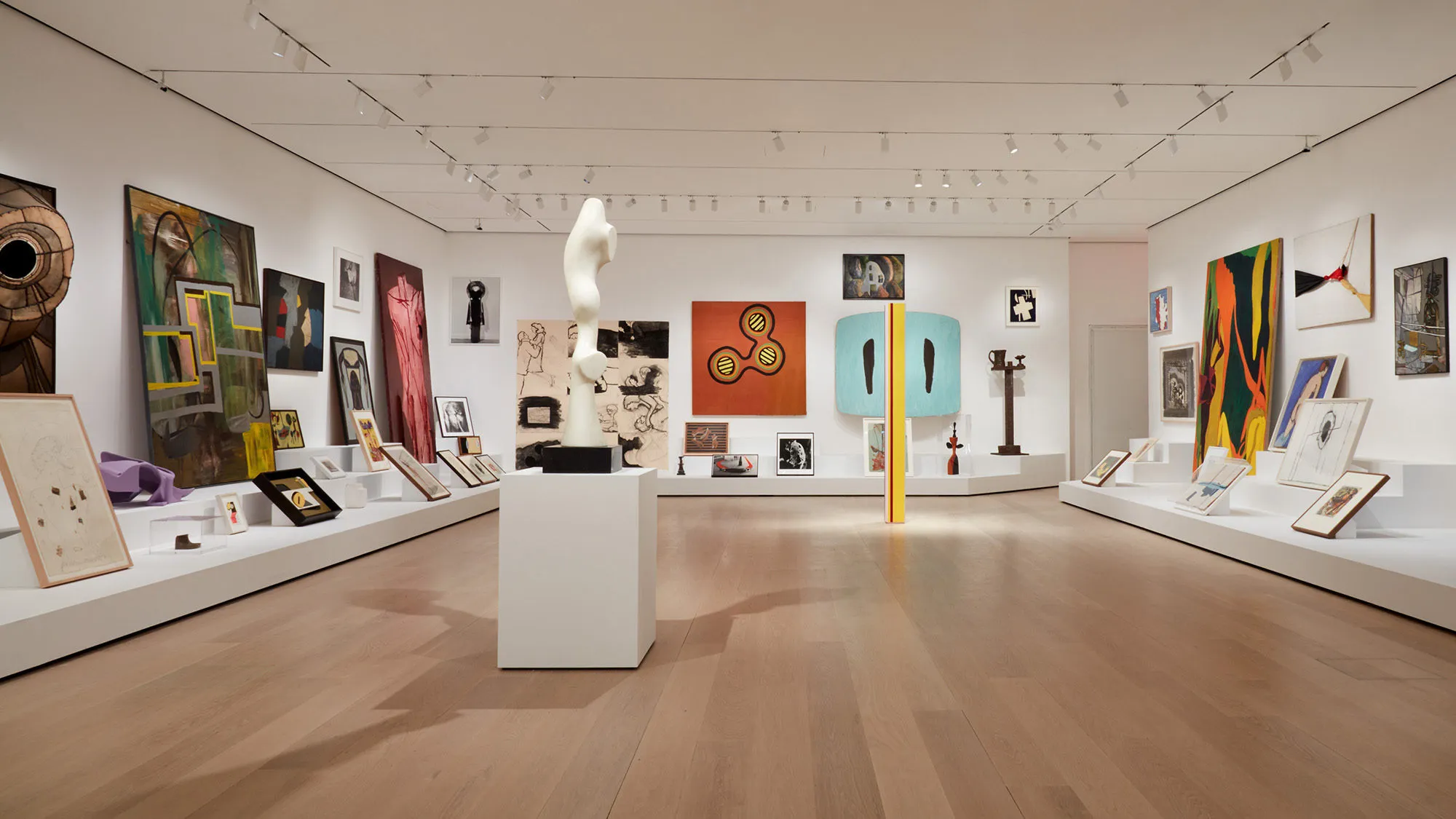
For our project, we relied primarily on collection data from the Museum of Modern Art (MoMA). This dataset provides structured information about artworks and artists, including variables such as artist nationality, artwork medium, production date, and acquisition records. These fields allow us to examine patterns in artistic production and museum collecting practices across time. In particular, the dataset supports our research questions about decade representation, nationality distribution, and shifts in artistic medium. Using a single institutional collection also ensures that the metadata follows consistent cataloging standards, which makes it easier to compare trends across a large number of artworks.
To contextualize the dataset, we also consulted peer-reviewed journal articles and scholarly book chapters related to modernism, globalization in the art market, and museum studies. These sources help interpret whether patterns in the data reflect broader historical developments, such as postwar cultural exchange, the globalization of the art market, or curatorial decisions within major museums. Rather than treating the dataset as self-explanatory, we used scholarship to situate the visualizations within larger cultural and institutional contexts.
Before interpreting the data, we also considered potential silences within the dataset. Museum collections reflect institutional choices about which artists and artworks are collected, preserved, and exhibited. As a result, some regions, artistic traditions, or communities may be underrepresented or absent from the data. Following discussions from Data Feminism by D’Ignazio and Klein, we approach the dataset as a product of institutional structures rather than a neutral record of artistic production. Recognizing these potential silences allows us to interpret our findings more critically and understand how museum archives shape narratives about modern art.
Processes
Before creating visualizations, we performed several processing steps to organize and prepare the dataset for analysis. Using R, we cleaned and structured the data by standardizing variables such as nationality, medium, and year of production. We also grouped artworks by decade to better identify long-term trends in artistic production and museum acquisitions. These transformations allowed us to compare patterns across time and across different categories of artworks.
To create our visualizations, we used Tableau and R. Tableau allowed us to build clear and interactive charts that make patterns in the dataset easier to explore, while R was useful for performing exploratory data analysis and generating summary statistics. When choosing visualization methods, we considered the type of variables being represented and how each chart contributed to the overall narrative of the project. For example, bar charts were useful for comparing categorical variables such as nationality or artistic medium, while time-based visualizations helped illustrate changes across decades.
We also used TimelineJS to present key historical moments related to modern art and the development of MoMA’s collection. This tool allowed us to incorporate images, text, and dates into an interactive timeline, helping place the artworks in a broader historical context. By presenting events chronologically, the timeline makes the historical background of the dataset more engaging and easier for viewers to understand.
Presentation
To present our findings, we built our project website using Humspace, which allowed us to organize our research questions, visualizations, and explanations into a clear and accessible structure. We chose a light theme with colorful accents so that the visualizations would stand out while maintaining strong contrast between text and background. Many of our charts use white or light backgrounds, so the lighter site design helps them integrate naturally into the page while keeping the layout visually engaging.
We also considered accessibility when designing the website. Each visualization includes descriptive captions explaining the patterns shown in the chart, and alt text was added so that screen readers can interpret the visual content. Hyperlinks were embedded throughout the narrative to guide readers toward additional context and supporting sources. Clear section headings help organize the project so viewers can easily move between research questions, visualizations, and explanations.
Finally, we structured the website so that the narrative and visualizations work together to guide the viewer through the project. Rather than presenting charts in isolation, each visualization is paired with written interpretation that explains what the viewer is seeing and why the pattern matters. This structure allows the project to function both as an analytical exploration of the MoMA dataset and as a broader discussion about how museum collections shape narratives about modern art.
Meet the Team

Wenqi (Connie) Lin
Project Manager
A fourth-year Statistics and Data Science major from SF Bay Area. Wenqi (Connie) served as the Project Manager and a lead Data Analyst for this project. In addition to coordinating team communications, managing timelines, and overseeing task delegation, she executed the end-to-end data workflow—performing data cleaning, in-depth analysis, and creating the project’s core visualizations.
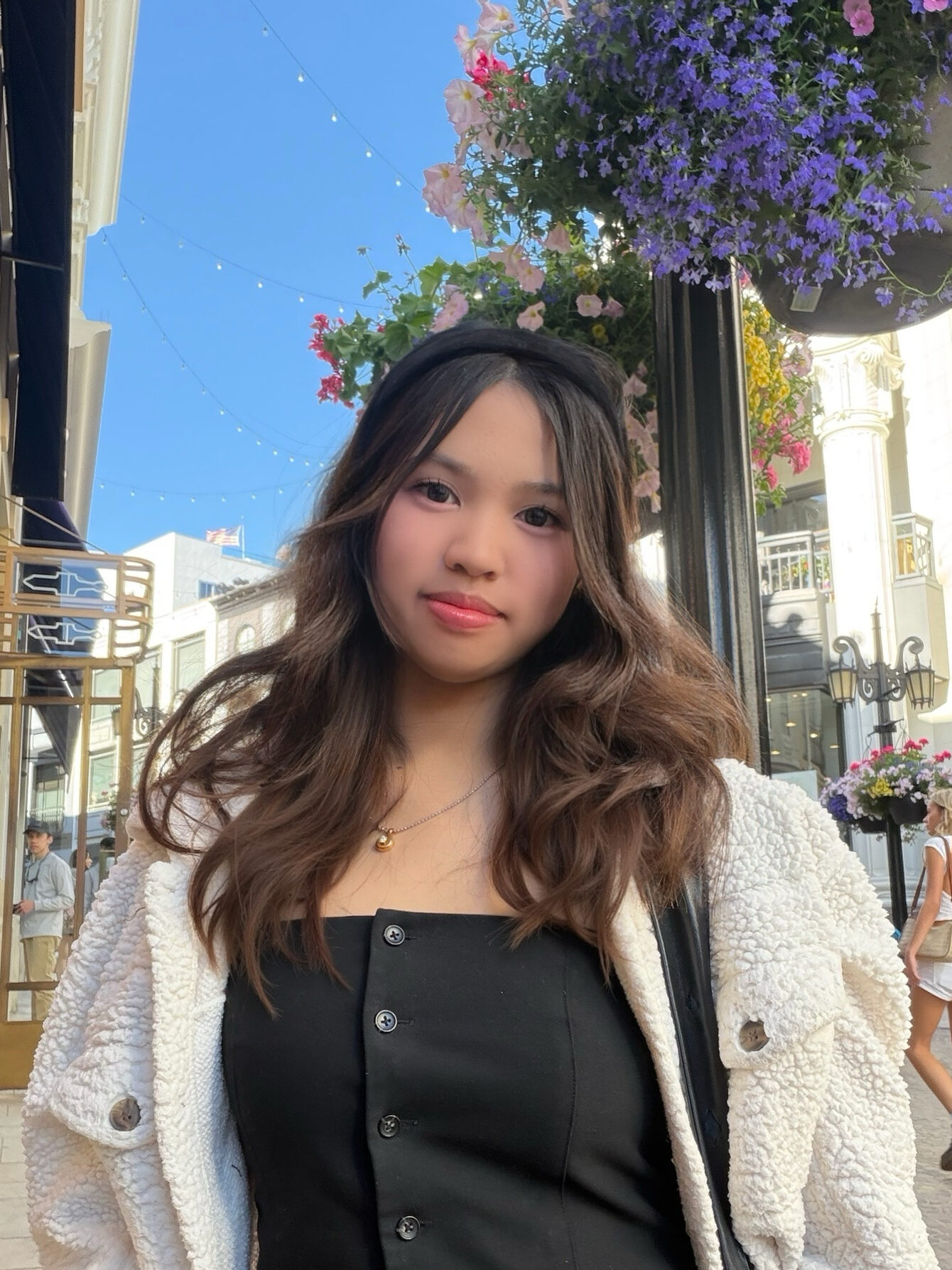
Erin Teng
Web Designer
A third-year Psychology major and Digital Humanities minor from the San Gabriel Valley (SGV). As the web designer/developer for this project, she oversaw the overall design and structure of the website to ensure a smooth and user-friendly experience. She also created wireframes using Figma to plan layout, navigation, and visual hierarchy before development.
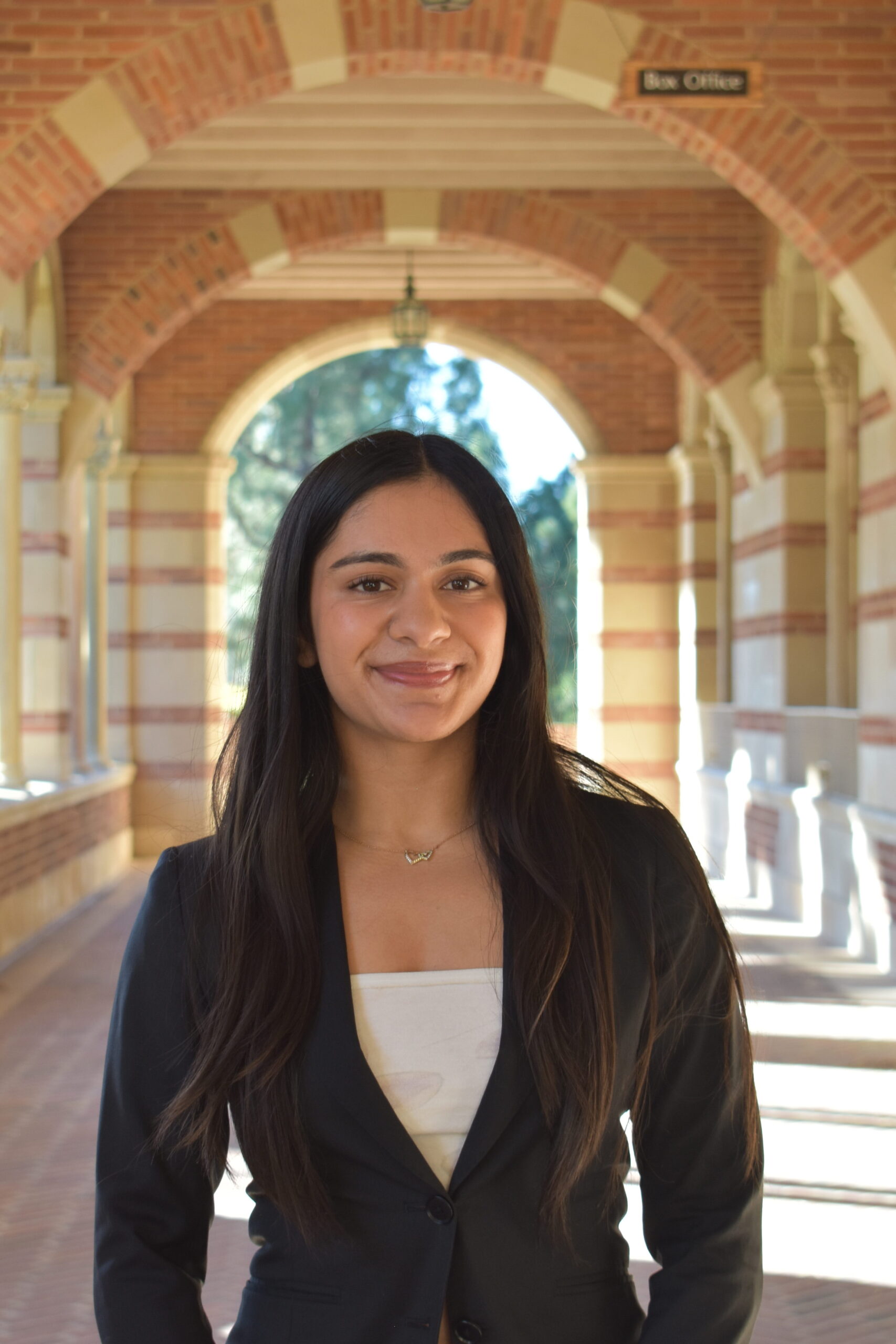
Anusha Ladha
Content Developer
A second-year Computer Science major from the SF Bay Area. As the content developer for this project, she focused on shaping the site’s overall narrative and ensuring that the data visualizations clearly supported the research questions and central argument. Her goal was to make sure the visuals were not only informative, but also meaningful and relevant within the broader context of the project.
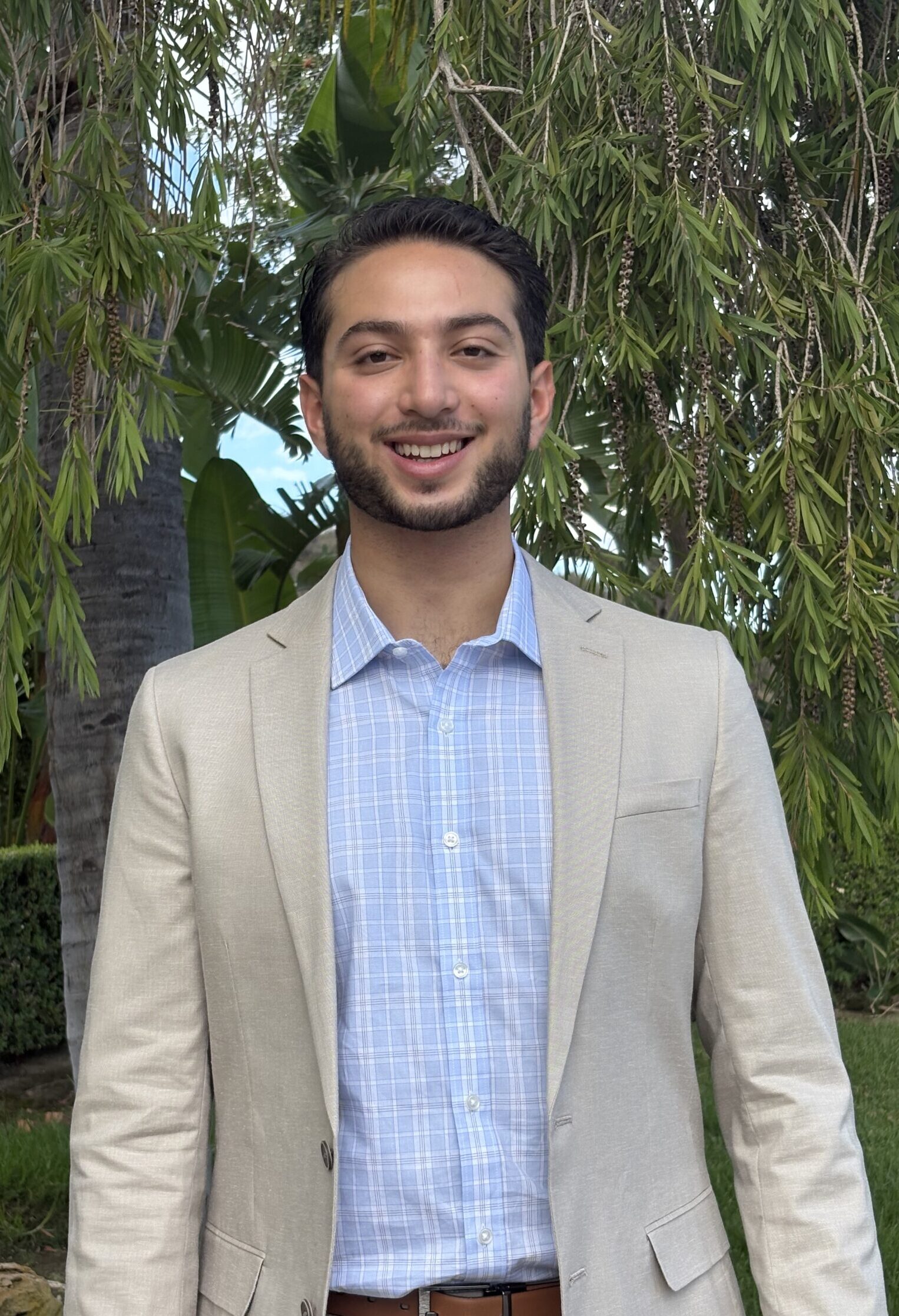
Allen Yamin
Data Specialist
A fourth-year Statistics and Data Science major from Los Angeles. As the project’s data specialist, he oversaw all dataset-related stages of the workflow. His work focused on cleaning and structuring the data, then conducting analyses to ensure reliable, consistent, and meaningful results.
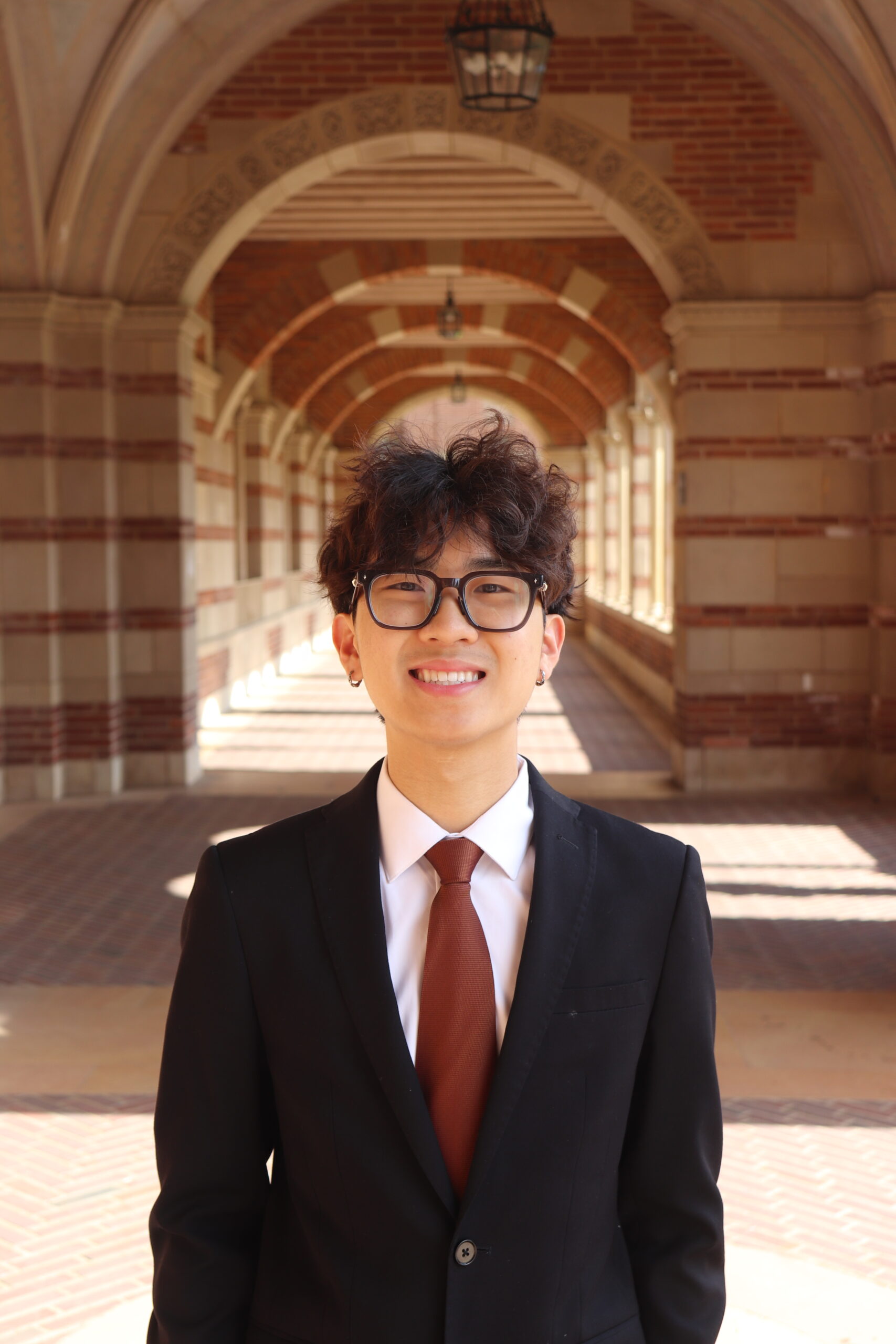
bradley Co
Data Visualization Specialist
A third-year Statistics and Data Science major from Los Angeles. As the project’s data visualization specialist, his work focused on the development of the project’s visualizations, ensuring the data was properly cleaned and formatted before analysis. He implemented appropriate visualization tools, refined the final graphics, and integrated them into the website.

Ryan Bucu
Project Editor
A fourth-year Sociology major and Digital Humanities minor from Los Angeles. As the project editor, he directed the editorial vision of the project, overseeing visual consistency, readability, and accessibility. He also edited all written content to ensure clarity, cohesion, and grammatical accuracy throughout.
Acknowledgements
Our project would not have been possible without the guidance from Dr. Nicholas Sabo and our teaching assistant Pietro Santachiara. Their experience and knowledge in the subject of Digital Humanities has made our progress possible and without their feedback and assistance our project would not be as cohesive as it is today.
